Cornea Treatment

Restoring Vision Through Corneal Excellence

Go Home Page

Understanding the Cornea

The cornea is the eye's outermost layer. It is the clear, dome-shaped surface that covers the front of the eye. It plays a key role in focusing your vision by bending light rays as they enter the eye.

A healthy cornea is essential for good vision. It acts as a protective barrier against dirt, germs, and other particles. The cornea also filters out some of the sun's ultraviolet light and provides about 65-75% of the eye's focusing power.
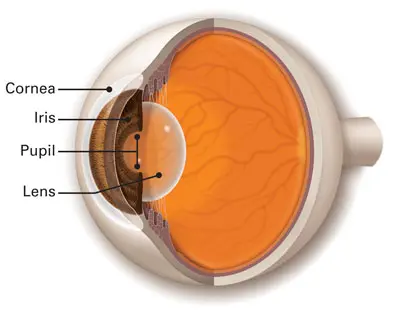
Cornea explanation

Common Cornea Conditions

Keratoconus

A progressive eye disease where the cornea thins and bulges into a cone-like shape, causing distorted vision.

Dry Eye Syndrome

A condition where the eyes don't produce enough tears or the right quality of tears to stay properly lubricated.

Corneal Dystrophies

A group of genetic disorders that cause abnormal material to accumulate in the cornea, affecting vision.

Corneal Ulcers

Open sores on the cornea usually caused by infection, which can lead to vision loss if not treated promptly.

Corneal Abrasions

Scratches on the cornea's surface, often caused by foreign objects, contact lenses, or trauma.

Photokeratitis

A painful eye condition caused by exposure to ultraviolet rays, often called "sunburn of the eye."

Advanced Cornea Treatments

Surgical Treatments:

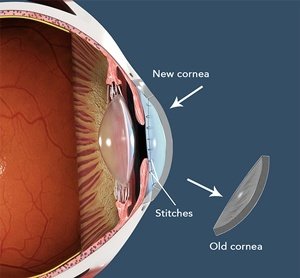
Corneal Transplant

Also known as keratoplasty, this procedure replaces damaged corneal tissue with healthy donor tissue to restore vision.

Cross-Linking

A treatment that strengthens corneal tissue to slow or stop the progression of keratoconus using UV light and riboflavin.

Cornea treatment

Non-Surgical Options:

Artificial Tears

Lubricating eye drops to relieve dryness and discomfort associated with corneal conditions

Bandage Lenses

Special contact lenses that protect the cornea and promote healing of surface irregularities

Medicated Eye Drops

Antibiotic, antifungal, or steroid drops to treat infections and reduce inflammation

Scleral Lenses

Specialty contact lenses that vault over the cornea, providing vision correction and protection

Advanced Cornea Technology

Corneal Topography

Advanced imaging technology that creates a 3D map of the cornea's surface, essential for diagnosing conditions like keratoconus and planning surgical procedures.

Anterior Segment OCT

High-resolution imaging that provides cross-sectional views of the cornea and anterior chamber, allowing for precise measurement and evaluation of corneal conditions.

Frequently Asked Questions

Common symptoms include eye pain, redness, blurred vision, sensitivity to light, excessive tearing, feeling of something in the eye, and decreased vision. If you experience any of these symptoms, it's important to see a cornea specialist promptly.

Full recovery from corneal transplant surgery can take up to a year or more. Initial healing occurs within the first few weeks, but complete visual recovery takes longer. Your doctor will provide specific instructions for post-operative care and follow-up visits to monitor the healing process.

While not all corneal conditions can be prevented, you can reduce your risk by wearing protective eyewear during activities that could injure your eyes, practicing good contact lens hygiene, using artificial tears if you have dry eyes, wearing UV-protective sunglasses outdoors, and having regular comprehensive eye exams.

Corneal transplants have a high success rate compared to other organ transplants. The success rate is approximately 90% for the first year and about 75% after five years. Success depends on various factors including the reason for transplant, overall eye health, and patient adherence to post-operative care instructions.

Yes, depending on the condition, there may be alternatives to full corneal transplant. These include DSAEK (Descemet's Stripping Automated Endothelial Keratoplasty) or DMEK (Descemet's Membrane Endothelial Keratoplasty) which replace only the inner layers of the cornea, corneal cross-linking for keratoconus, or specialized contact lenses. Your cornea specialist will recommend the most appropriate treatment for your specific condition.

Experiencing Cornea Issues?

Schedule a consultation with our cornea specialists for expert diagnosis and treatment.