Diabetic Retinopathy

Protecting Your Vision from Diabetes Complications

Go Home Page

Understanding Diabetic Retinopathy

Diabetic retinopathy is a diabetes complication that affects the eyes. It's caused by damage to the blood vessels of the light-sensitive tissue at the back of the eye (retina). At first, diabetic retinopathy might cause no symptoms or only mild vision problems. Eventually, it can cause blindness.

The condition can develop in anyone who has type 1 or type 2 diabetes. The longer you have diabetes and the less controlled your blood sugar is, the more likely you are to develop this eye complication. Regular eye exams, good control of your blood sugar and blood pressure, and early intervention for vision problems can help prevent severe vision loss.
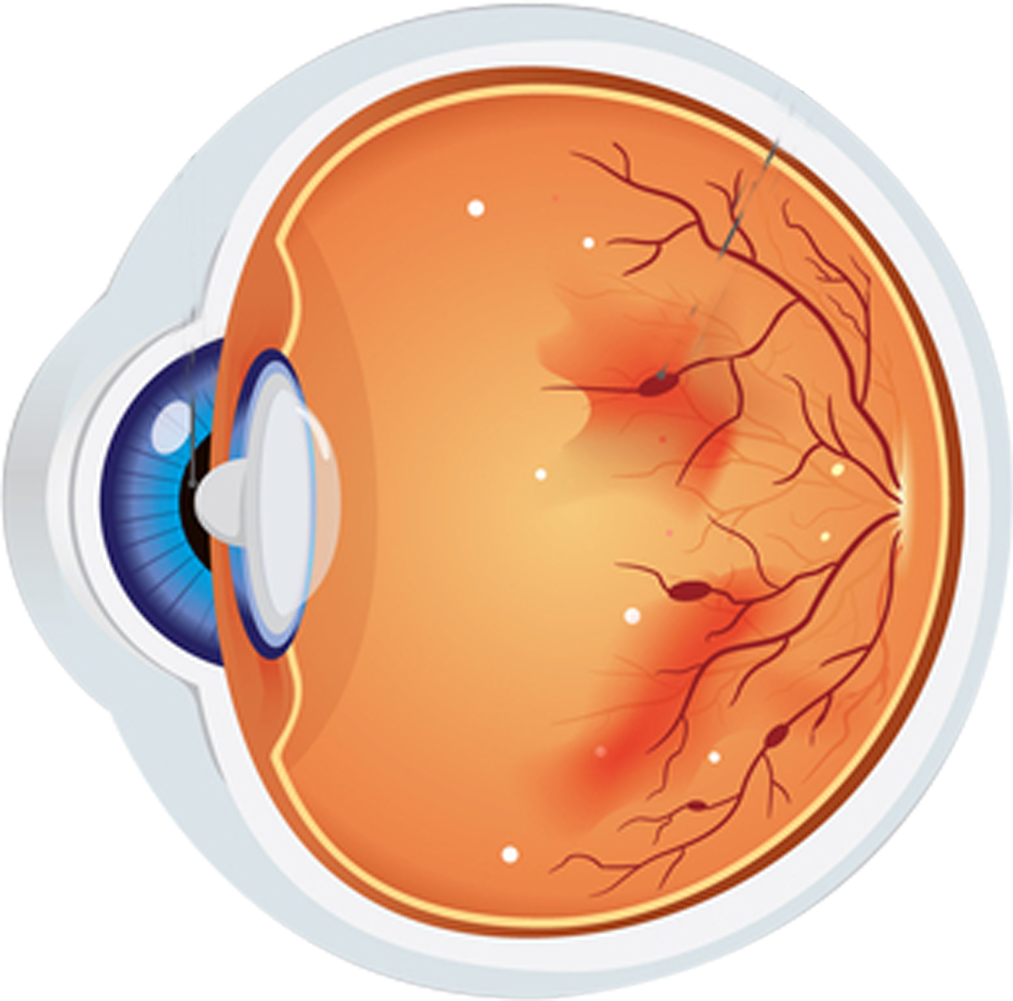
Diabetic retinopathy explanation

Stages of Diabetic Retinopathy

Mild Nonproliferative Retinopathy

Early stage where small areas of balloon-like swelling (microaneurysms) occur in the retina's tiny blood vessels.

Moderate Nonproliferative Retinopathy

Blood vessels that nourish the retina become blocked, causing noticeable changes to the retina.

Severe Nonproliferative Retinopathy

More blood vessels become blocked, depriving several areas of the retina of blood supply.

Proliferative Diabetic Retinopathy

Advanced stage where new, fragile blood vessels grow along the retina and into the vitreous gel.

Symptoms of Diabetic Retinopathy

Early Stage Symptoms

Often no symptoms in the early stages. As the condition progresses, you may experience:

  • Floaters (spots or dark strings floating in your vision)
  • Blurred vision
  • Fluctuating vision
  • Dark or empty areas in your vision
  • Difficulty seeing at night
Advanced Stage Symptoms

In proliferative diabetic retinopathy, new blood vessels may bleed into the vitreous, causing:

  • Sudden appearance of many floaters
  • Vision loss that may be severe
  • Cloudy vision
  • Difficulty with color perception
  • Complete vision loss in severe cases
Important: Diabetic retinopathy often has no early warning signs. Don't wait for symptoms to appear. Regular eye exams are crucial for early detection.

Risk Factors for Diabetic Retinopathy

Duration of Diabetes

The longer you have diabetes, the greater your risk of developing diabetic retinopathy.

Poor Blood Sugar Control

Poorly controlled blood sugar increases your risk of diabetes complications, including retinopathy.

High Blood Pressure

Hypertension can exacerbate diabetic retinopathy and accelerate its progression.

High Cholesterol

Elevated lipid levels can contribute to the development and progression of diabetic retinopathy.

Pregnancy

Pregnant women with diabetes are at increased risk of developing or worsening diabetic retinopathy.

Tobacco Use

Smoking increases your risk of various diabetes complications, including diabetic retinopathy.

Diabetic Retinopathy Treatments

Advanced Treatment Options:

Anti-VEGF Injections

Medications like Lucentis, Eylea, or Avastin are injected into the eye to reduce swelling, slow vision loss, and possibly improve vision.

Laser Treatment (Photocoagulation)

Focal laser treatment seals leaking blood vessels, while scatter laser treatment (panretinal photocoagulation) shrinks abnormal blood vessels.

Vitrectomy

Surgical procedure to remove blood from the vitreous gel and scar tissue that's tugging on the retina.

Diabetic retinopathy treatment
Early Detection is Key

With early detection and timely treatment, the risk of severe vision loss from diabetic retinopathy can be reduced by 95%.

Preventing Diabetic Retinopathy

Regular Eye Exams

Comprehensive dilated eye exams at least once a year for all diabetics.

Control Blood Sugar

Maintain HbA1c levels below 7% as recommended by your doctor.

Manage Blood Pressure

Keep blood pressure below 130/80 mmHg to protect blood vessels.

Healthy Cholesterol

Maintain healthy cholesterol levels through diet and medication if needed.

Regular Exercise

Engage in regular physical activity to help control diabetes.

Healthy Diet

Follow a diabetes-friendly diet rich in fruits, vegetables, and whole grains.

Frequently Asked Questions

Type 1 diabetes: Within 5 years of diagnosis and then annually.
Type 2 diabetes: At the time of diagnosis and then annually.
During pregnancy: Before conception or during first trimester, then every trimester as needed.
If diabetic retinopathy is detected, more frequent exams may be necessary. Those with proliferative diabetic retinopathy may need exams every 2-4 months.

While diabetic retinopathy cannot be completely reversed, its progression can be slowed or stopped with proper treatment and diabetes management. Early-stage diabetic retinopathy may even improve with intensive blood sugar control. However, damage that has already occurred to the retina is usually permanent. This is why early detection and prevention are so important. Treatments can prevent vision loss and in some cases improve vision, but they work best when started early.

Diabetic retinopathy refers to damage to blood vessels in the entire retina, while diabetic macular edema (DME) is a specific complication of diabetic retinopathy. DME occurs when fluid leaks into the macula—the central part of the retina responsible for sharp, straight-ahead vision. This leakage causes swelling that can distort vision and lead to vision loss. While all patients with DME have diabetic retinopathy, not all patients with diabetic retinopathy develop DME. DME is the most common cause of vision loss in people with diabetic retinopathy.

Most treatments for diabetic retinopathy are performed with local anesthesia to minimize discomfort:

Injections: Numbing eye drops are used, so patients typically feel only slight pressure.
Laser treatment: May cause mild discomfort or a warming sensation during the procedure.
Vitrectomy: Performed under local or general anesthesia, so no pain is felt during the procedure.

After procedures, some patients experience mild discomfort, irritation, or sensitivity to light, which usually resolves within a day or two. Pain medication is rarely needed, and any discomfort is typically manageable with over-the-counter options.

Yes, lifestyle changes play a crucial role in managing diabetic retinopathy:

Blood sugar control: Maintaining target glucose levels can slow the onset and progression.
Blood pressure management: Hypertension accelerates diabetic retinopathy progression.
Cholesterol control: High cholesterol may contribute to macular edema.
Healthy diet: A diet rich in antioxidants, omega-3 fatty acids, and low in processed foods.
Regular exercise: Helps control blood sugar, blood pressure, and cholesterol.
Smoking cessation: Smoking significantly increases the risk of progression.
Weight management: Maintaining a healthy weight improves diabetes control.

While lifestyle changes are important, they should complement—not replace—regular eye exams and medical treatments.

Protect Your Vision from Diabetes

Schedule a comprehensive diabetic eye exam today to detect problems early.