Oculoplasty, also known as ophthalmic plastic surgery, is a specialized branch of ophthalmology that deals with the reconstruction of the eye and associated structures. This includes surgery of the eyelids, eye sockets (orbits), and tear ducts.
Oculoplastic surgeons are trained to perform intricate procedures that address both functional and cosmetic concerns. These procedures can help improve vision, protect the eye, restore normal appearance, and treat various conditions affecting the eyelids, eyebrows, forehead, and midface.
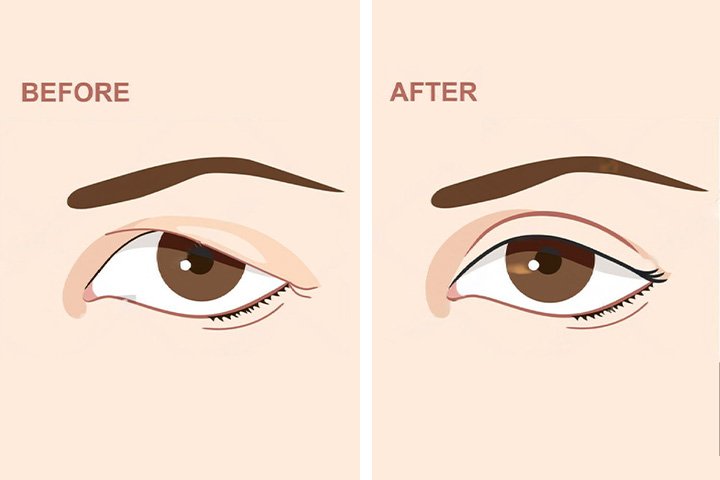
Eyelid surgery to remove excess skin, muscle, and fat from the upper and/or lower eyelids to improve vision and appearance.
Correction of drooping upper eyelids that can impair vision and cause a tired appearance.
Correction of outward or inward turning of the eyelids that can cause irritation, tearing, and discomfort.
Procedures to treat conditions affecting the eye socket, including fractures, tumors, and thyroid eye disease.
Procedures to correct blocked tear ducts that cause excessive tearing and recurrent infections.
Cosmetic procedures including brow lifts, Botox, and fillers to restore a more youthful appearance.
Restoration of eyelid function and appearance after trauma, cancer removal, or congenital defects using advanced surgical techniques.
Surgical procedure to create more space in the eye socket for patients with thyroid eye disease, reducing eye bulging and pressure.
Minimally invasive treatment for facial wrinkles, eye spasms, and certain eyelid disorders
Restore volume to facial areas, reduce wrinkles, and enhance facial contours
Improve skin texture and appearance around the eyes by removing damaged outer layers
Address skin concerns around the eyes including pigmentation, wrinkles, and texture issues
Minimally invasive techniques using tiny cameras and instruments for orbital and lacrimal surgeries, resulting in less scarring and faster recovery.
Advanced imaging technology that allows surgeons to plan procedures with precision and show patients potential outcomes before surgery.
Schedule a consultation with our oculoplasty specialists for expert diagnosis and treatment.