Pediatric Ophthalmology

Specialized Eye Care for Children of All Ages

Go To Home Page

Caring for Young Eyes

Pediatric ophthalmology is a subspecialty of ophthalmology that focuses on the eye health and vision care of children, from newborns through teenagers. Children's eyes are constantly developing, and early detection of vision problems is crucial for their overall development and learning.

Our pediatric eye specialists are trained to diagnose and treat a wide range of eye conditions in children, using child-friendly approaches and specialized equipment designed specifically for young patients. We create a comfortable, welcoming environment to help children feel at ease during their eye examinations.
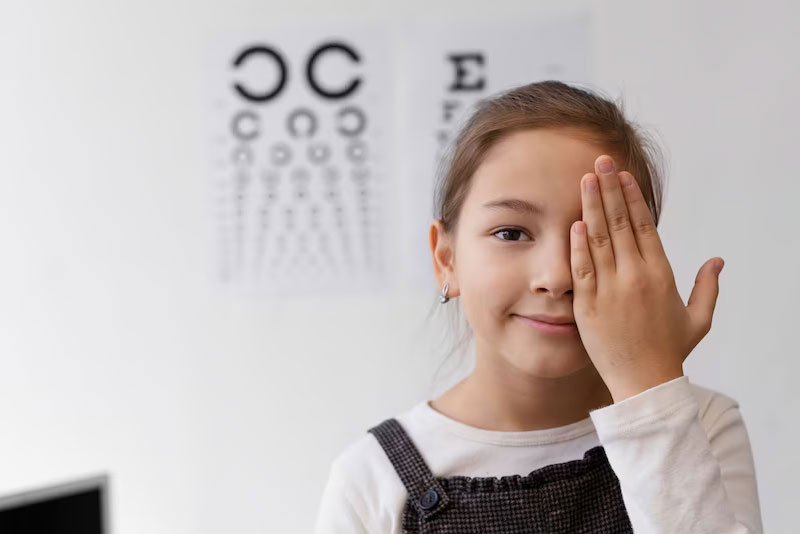
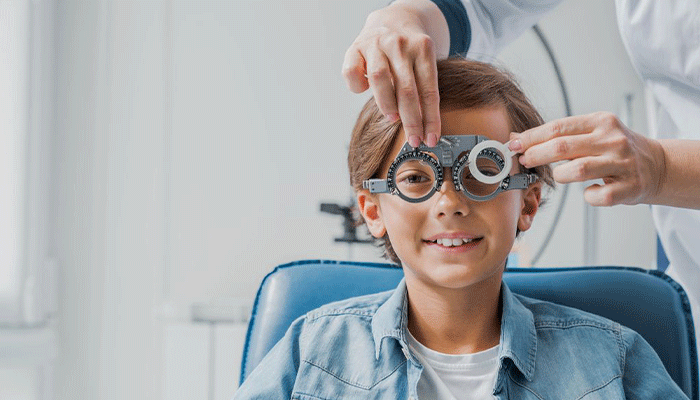
Pediatric ophthalmology

Common Pediatric Eye Conditions

Amblyopia (Lazy Eye)

Reduced vision in one eye caused by abnormal visual development early in life. Early treatment is essential for best results.

Strabismus (Crossed Eyes)

Misalignment of the eyes where they point in different directions, which can affect vision development and depth perception.

Refractive Errors

Nearsightedness, farsightedness, and astigmatism that require glasses or contact lenses for clear vision.

Blocked Tear Ducts

A common condition in infants where tears cannot drain properly, leading to watery, irritated eyes.

Pediatric Cataracts

Clouding of the eye's natural lens that can occur in children and may require surgical intervention.

Eye Injuries

Trauma to the eye that requires immediate attention to prevent vision loss or long-term complications.

Pediatric Eye Treatments

Vision Therapy & Rehabilitation:

Amblyopia Treatment

Using patching, atropine drops, or vision therapy to strengthen the weaker eye and improve visual development.

Strabismus Surgery

Adjusting eye muscles to properly align the eyes, improving both appearance and visual function.

Pediatric eye treatment

Non-Surgical Options:

Prescription Glasses

Child-friendly frames with lenses corrected for refractive errors and vision development

Medicated Eye Drops

Treatment for various conditions including infections, inflammation, and amblyopia

Vision Therapy

Customized exercises and activities to improve visual skills and processing

Patching Therapy

Covering the stronger eye to encourage use and development of the weaker eye

Our Child-Friendly Approach

Comfortable Environment

Our clinic is designed to make children feel at ease with colorful decor, toys, and a welcoming atmosphere that reduces anxiety about eye exams.

Specialized Equipment

We use pediatric-specific examination tools and techniques that allow us to accurately assess vision even in very young children who can't yet read letters.

Age-Appropriate Testing

Our doctors use games and engaging activities to test vision in young children, making the experience fun while gathering accurate diagnostic information.

Parent Education

We take time to explain conditions and treatments to both children and parents, ensuring everyone understands the plan of care and how to support treatment at home.

Frequently Asked Questions

The American Academy of Ophthalmology recommends that children have their first comprehensive eye exam at 6 months old, then at age 3, and again before starting school. Children without vision problems should then continue to have exams every 1-2 years. However, if you notice any signs of vision problems or there's a family history of eye conditions, earlier and more frequent exams may be necessary.

Common signs include: squinting, tilting head or covering one eye, sitting too close to the TV, difficulty reading or avoiding reading, frequent eye rubbing, sensitivity to light, excessive tearing, red or crusty eyes, difficulty tracking objects, poor hand-eye coordination, and complaints of headaches or eye strain. If you notice any of these signs, schedule an eye exam for your child.

Excessive screen time can contribute to digital eye strain, which may cause headaches, blurred vision, dry eyes, and neck and shoulder pain. The American Academy of Pediatrics recommends no screen time for children under 18 months (except video chatting), limited high-quality programming for children 18-24 months with parent participation, and no more than 1 hour per day for children 2-5 years. For older children, encourage regular breaks using the 20-20-20 rule: every 20 minutes, look at something 20 feet away for 20 seconds.

Many eye conditions have a genetic component. If parents have certain vision problems like strabismus, amblyopia, significant refractive errors, or genetic eye diseases, their children are at higher risk. This is why it's important to share your family eye health history with your pediatric ophthalmologist. However, not all eye problems are hereditary, and environmental factors also play a significant role in children's eye health.

To protect your child's eyes: 1) Ensure they wear protective eyewear during sports and recreational activities, 2) Keep hazardous chemicals and sharp objects out of reach, 3) Choose age-appropriate toys without sharp edges, 4) Supervise use of projectile toys, 5) Use safety gates at the top and bottom of stairs, 6) Teach proper scissor and pencil use, 7) Ensure proper car seat use and vehicle safety, 8) Use corner guards on sharp furniture edges, and 9) Provide UV-protective sunglasses for outdoor activities. Most childhood eye injuries are preventable with proper precautions.

Concerned About Your Child's Vision?

Schedule a child-friendly eye exam with our pediatric specialists today.