ICL Treatment

Advanced Vision Correction with Implantable Collamer Lens

Go to Home LASIK

What is ICL?

ICL (Implantable Collamer Lens) is an advanced vision correction procedure that involves placing a biocompatible lens inside the eye to correct refractive errors. Unlike LASIK, which reshapes the cornea, ICL works with your eye's natural anatomy without removing any corneal tissue.

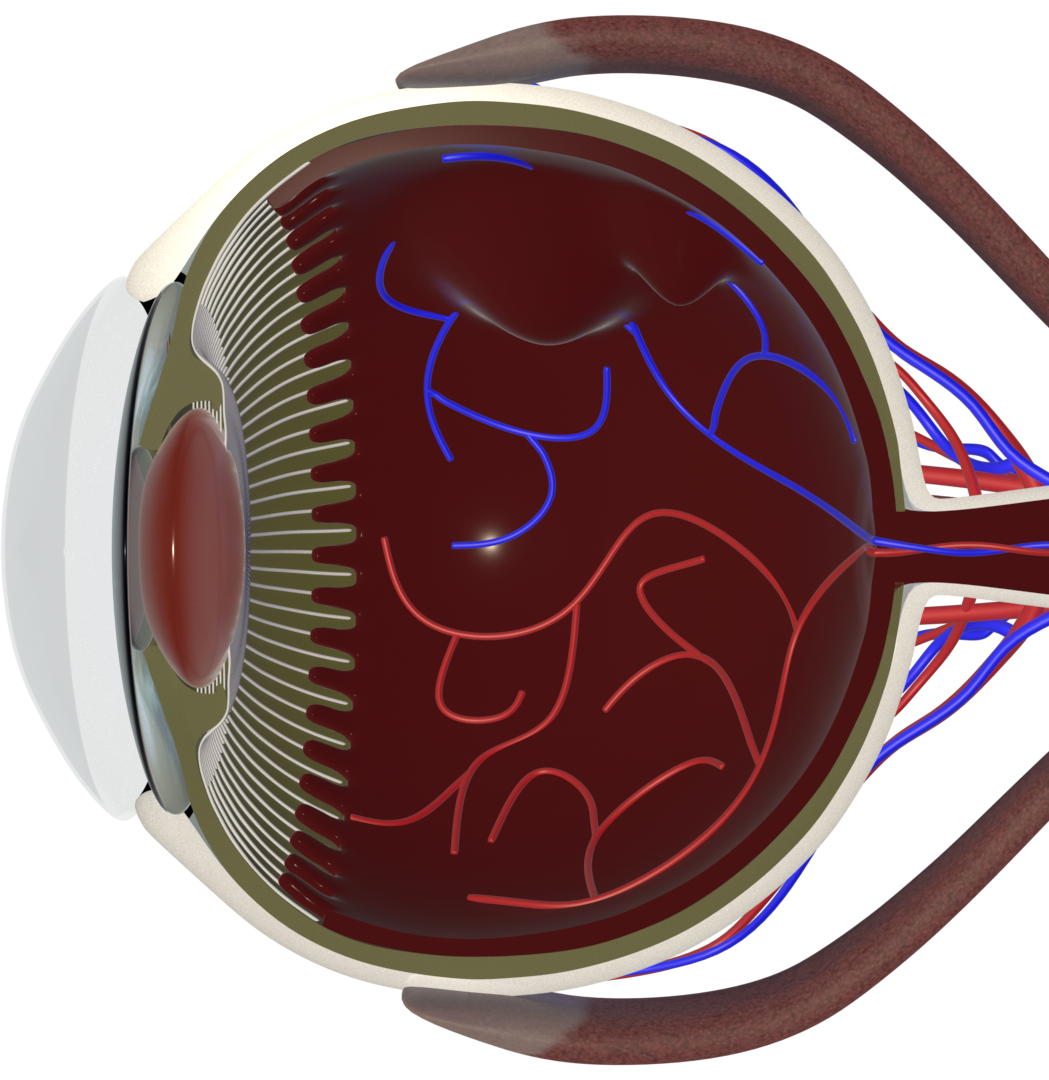
The Visian ICL is made from Collamer, a proprietary collagen co-polymer that contains a small amount of purified collagen. This makes it highly biocompatible and allows it to function in harmony with your eye's natural structures. The lens is placed behind the iris and in front of the natural lens, providing excellent vision quality.
ICL explanation

Benefits of ICL Surgery

High-Quality Vision

ICL provides exceptional visual acuity, often better than glasses or contact lenses, with excellent contrast sensitivity.

Reversible Procedure

Unlike corneal procedures, ICL can be removed if necessary, preserving future treatment options.

UV Protection

The Collamer material provides inherent protection against harmful UV rays.

Biocompatible

Made from Collamer, a material that works in harmony with your body and doesn't cause dryness.

Quick Recovery

Most patients experience rapid visual recovery and return to normal activities within a day.

Suitable for Many

Ideal for patients with thin corneas, dry eyes, or high prescriptions not suitable for LASIK.

The ICL Procedure

What to Expect:

1
Comprehensive Evaluation

Thorough eye examination to determine if you're a good candidate for ICL, including measurements of your eye's unique dimensions.

2
Lens Selection

Your custom ICL is selected based on precise measurements of your eye to ensure optimal vision correction.

3
The Procedure

A quick, minimally invasive procedure performed under topical anesthesia. The lens is inserted through a small incision and positioned behind the iris.

4
Recovery

Most patients notice significantly improved vision immediately after the procedure, with full stabilization within a few days.

ICL procedure
Procedure Details
  • Time: Approximately 15-30 minutes per eye
  • Anesthesia: Topical (eye drops)
  • Incision: Less than 3mm, self-sealing
  • Both eyes can typically be treated on the same day

Ideal Candidates for ICL

Who is a good candidate?
  • Ages 21-45 years
  • Stable prescription for at least one year
  • Moderate to high myopia (-3.0 to -20.0 D)
  • Hyperopia (+2.0 to +10.0 D)
  • Astigmatism (up to 6.0 D)
  • Those with thin corneas
  • Patients with dry eyes
  • Those not suitable for LASIK or PRK
Who may not be a candidate?
  • Pregnant or nursing women
  • Those with certain eye diseases (glaucoma, iritis, etc.)
  • Patients with certain general health issues
  • Those with abnormal corneal anatomy
  • Patients with insufficient anterior chamber depth
  • Those with unrealistic expectations

The only way to know for sure if you're a candidate is through a comprehensive eye examination.

Schedule a Consultation

Frequently Asked Questions

While both procedures correct vision, they work in different ways. LASIK reshapes the cornea using a laser, while ICL involves placing a lens inside the eye without altering the cornea's structure. ICL is reversible and often recommended for patients with higher prescriptions, thinner corneas, or dry eyes. ICL also typically provides better quality vision, especially in low-light conditions, and doesn't cause dry eye symptoms like LASIK sometimes can.

ICL surgery is typically not painful. Numbing eye drops are used to anesthetize the eye during the procedure. Most patients report feeling only mild pressure or a sensation of coolness from the irrigation solution. After the procedure, some patients experience mild discomfort, itching, or light sensitivity for a few hours, but this usually resolves quickly with prescribed eye drops. Over-the-counter pain relievers are rarely needed.

The ICL is designed to be a permanent vision correction solution. However, one of its advantages is that it can be removed if necessary. The lens material is extremely stable and durable, with clinical studies showing excellent long-term performance. Should your vision change significantly over time, the ICL can be replaced with a different power lens, or other vision correction options can be considered since your corneal tissue remains intact.

Recovery from ICL surgery is typically rapid. Most patients notice significantly improved vision immediately after the procedure. Many return to normal activities, including work, the next day. However, it's recommended to avoid strenuous activities, swimming, and eye rubbing for about a week. You'll need to use prescribed eye drops for a few weeks and attend follow-up appointments to monitor healing. Visual acuity typically stabilizes within a few days to a week, though some fluctuations are normal initially.

As with any surgical procedure, ICL surgery carries some risks, though serious complications are rare. Potential risks include infection, inflammation, increased eye pressure, cataract formation (though this risk has been significantly reduced with newer lens designs), and the need for additional procedures. However, ICL has an excellent safety profile with high patient satisfaction rates. The procedure is reversible, which is a significant safety advantage over corneal procedures. Your surgeon will discuss all potential risks and benefits during your consultation.

Ready for Life-Changing Vision?

Find out if ICL is the right vision correction solution for you.